ii view: Chemring profit hit by UK defence delays
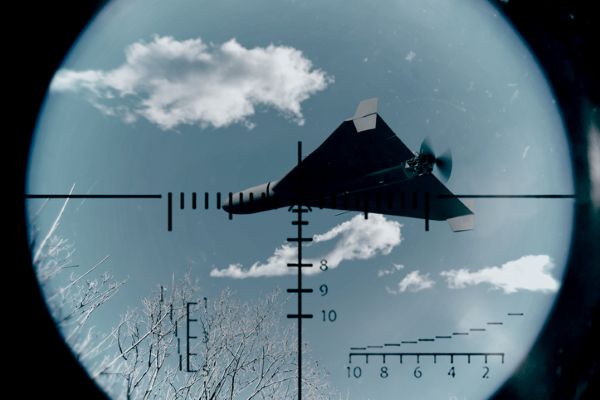
Launching a counter-drone defence system and with 91% of the company’s expected 2026 revenue either delivered or in the order book as of late April. Buy, sell, or hold?
2nd June 2026 15:49
by Keith Bowman from interactive investor
First-half results to 30 April
- Revenue up 7% to £237 million
- Order book up 8% to £1.4 billion
- Adjusted operating profit down 8% to £24.5 million
- Interim dividend up 4% to 2.8p per share
- Net debt of £144.5 million, up from £93 million a year ago
Guidance:
- Approximately 91% (2025: 85%) of expected 2026 revenue is already covered by the order book
Chief executive Michael Ord said:
"First half performance was in line with our expectations, despite near-term disruption in the UK market, and our full year outlook remains unchanged.
“Against a backdrop of geopolitical instability, a shift towards high intensity deterrence and higher defence and national security spending, we continue to invest in the capabilities and capacity our customers need most.”
ii round-up:
Defence company Chemring Group (LSE:CHG) today reported a record order book but with profits hindered by the delayed publication of UK's Defence Investment Plan.
A first-half order book of £1.4 billion is up from £1.3 billion a year ago. Half-year adjusted operating profit fell by almost a tenth to £24.5 million, impacted by lower-than-expected activity at its specialist Roke business and pre-production costs for its Cortexa counter-drone system.
Shares in the FTSE 250 company fell 5% in UK trading having come into these latest results up by close to a tenth so far in 2026. That’s similar to the UK's biggest defence equipment maker BAE Systems (LSE:BA.). The FTSE 250 index is up almost 5% year-to-date.
Chemring operates across the two divisions of Countermeasures & Energetics and Sensors & Information. The latter includes Roke, its specialist electronic warfare focused tech-unit.
Continued demand for missiles and countermeasures given wars in both Ukraine and the Middle East helped adjusted profit for the wider division rise by almost a third to £26.8 million.
Profit on the same basis for the Sensors and Information division almost halved, but with progress in delayed opportunities expected to aid an improved second-half performance.
The interim dividend, payable to eligible shareholders on 4 September, rose 4% from a year ago to 2.8p per share.
Group net debt climbed to £144.5 million from £93 million a year ago as Chemring invested in increased capacity for the Countermeasures and Energetics division.
A full-year trading update is likely to be announced early to mid-November.
ii view:
Started in 1905, Hampshire headquartered Chemring today employs around 2,700 people, largely across four production sites in four different countries including the UK and the US. Customers are spread across more than 50 countries and include military organisations and security and law enforcement agencies.
The company’s work in the defence sector may deter some investors on ethical grounds. A forecast price/earnings (PE) ratio above the three and 10-year averages could suggest the shares are not cheap. Government spending on defence has historically been easier to cut than say that of health or education, while Chemring’s previous production challenges, caused by severe weather at its remote US production facility, should not be forgotten.
- Stockwatch: should you follow Warren Buffett into tech giant?
- 10 hottest ISA shares, funds and trusts
- Insider: bosses buy low at this City top pick
More favourably, demand remains robust with the order book at yet another record. Both product and geographical diversity exist. Investment in expanding production capacity is being made, while the dividend payment has increased consecutively for over seven years, leaving the shares on a prospective yield of around 1.6%.
In all, and despite ongoing risks, some longer-term exposure to the defence sector looks sensible with a consensus analyst estimate of fair value above 600p per share, making Chemring a potential candidate for investor portfolios.
Positives:
- Business type and geographical diversity
- Specialist tech-focused Roke business
Negatives:
- Defence is a volatile industry
- Exposure to currency movements
The average rating of stock market analysts:
Buy
These articles are provided for information purposes only. Occasionally, an opinion about whether to buy or sell a specific investment may be provided by third parties. The content is not intended to be a personal recommendation to buy or sell any financial instrument or product, or to adopt any investment strategy as it is not provided based on an assessment of your investing knowledge and experience, your financial situation or your investment objectives. The value of your investments, and the income derived from them, may go down as well as up. You may not get back all the money that you invest. The investments referred to in this article may not be suitable for all investors, and if in doubt, an investor should seek advice from a qualified investment adviser.
Full performance can be found on the company or index summary page on the interactive investor website. Simply click on the company's or index name highlighted in the article.