Market snapshot: reaction to latest oil price surge
A further escalation in the Middle East conflict and implications for inflation has got investors worried. ii's head of markets runs through latest developments.
24th July 2026 08:30
by Richard Hunter from interactive investor
Investor sentiment is ending the week on a sour note, with the constant concerns continuing, especially around the Middle East and the level of AI spending by the hyperscalers.
- Our Services: SIPP Account | Stocks & Shares ISA | See all Investment Accounts
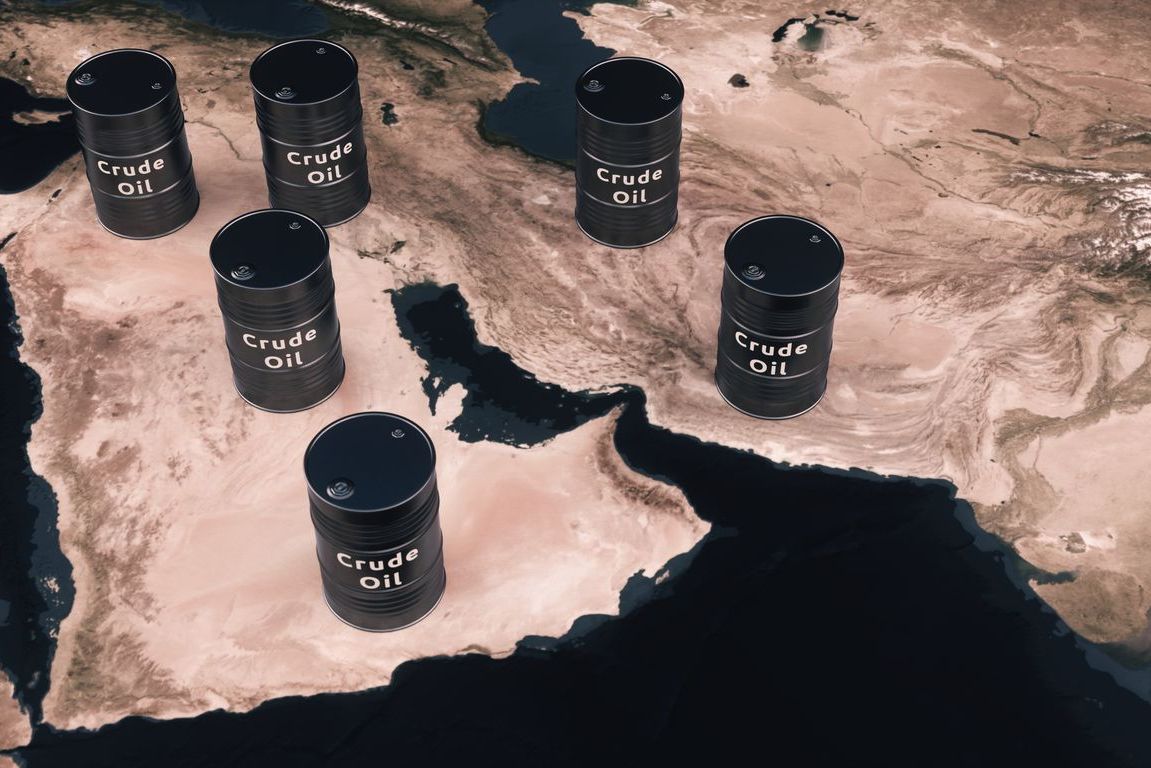
Quite apart from the resumption of strikes between the US and Iran, Yemen’s Tehran-backed Houthi militant group attacked two Saudi Arabian tankers in the Red Sea, which threatens to choke off another oil supply route in addition to the Strait of Hormuz. With the US President now threatening to return to full hostility levels, the oil price surged back to around $100 per barrel, its highest level since May although yet to retain the most recent high of around $120.
US Treasury yields inevitably rose in tandem, with the 30-year bond rising to 5.2% - its highest level in 19 years – and the 10-year hitting a recent high of 4.7% as investors scrambled to reassess the inflationary impact of the conflict. The current consensus sees an 80% chance of a rate hike from the Federal Reserve in September, such that next week’s meeting will take on new and significant interest even though the early indications are that the new Fed Chair will not be drawn into forward guidance.
- Wall Street tipped to smash more records this year
- The stocks best placed to benefit from interest rate cuts
- Don't miss these key summer investing events
As if these inflationary pressures were not enough to damage sentiment, the US President also announced a fresh round of tariffs as the previous ones expired, ranging from 10% to 12.5% on 60 trading partners, citing the reason that these countries had failed fully to enforce bans on goods produced by forced labour. In any event, the potential for higher domestic prices is another concern for the vital US consumer and comes at a politically sensitive time ahead of the mid-term elections in November.
Tesla Inc (NASDAQ:TSLA) and Alphabet Inc Class A (NASDAQ:GOOGL) marked a possible inflection point in the AI race, and a concerning one at that. Both reported negative free cash flow for the quarter as spending outweighed income. Despite seeing some extremely strong earnings, Google-parent Alphabet raised its forecast for capital spending this year to between $195 and $205 billion from a previous range of $180 to $190 billion. The negative reaction to the news weighed on both, with Tesla shares plunging by 14% and Alphabet by 7%, reading across to weakness in the likes of Amazon, Microsoft and Meta Platforms.
- FTSE 100 shares round-up: Centrica, Relx, Howden Joinery, 3i
- Q1 results underline that transforming BT is ‘a marathon, not a sprint’
- The Analyst: investing in robotics and the funds to own
In a day to forget for equity investors, the main indices fell sharply, further eroding progress made over the last few months. Despite the current round of investor anxiety there remains some gas in the tank to protect these gains which have been hard-won, with the Dow Jones ahead by 7.6% and both the S&P500 and Nasdaq by 8.2% in the year to date.
There was a rare silver lining for the UK economy as retail sales outpaced the highest of expectations, likely driven by warm weather and the feel-good factor which accompanied England’s progress in the World Cup, as the consumer returned to some form.
Of course, the new Prime Minister may not be able to maintain that momentum, with the fear of tax rises still in place and with a separate report showing that mortgage rates had spiked again in reaction to the resumption of hostilities in the Middle East.
- Pension age to rise? How you can still retire on your terms
- Chancellor Healey’s big tax and pension dilemma
- Sign up to our free newsletter for investment ideas, latest news and award-winning analysis
Four of the five UK banks report half-year numbers next week and, while it may be too early to quantify any damage done so far, their outlook comments and further impairment provisions will be key indications of any current consumer reticence or financial weakness.
Gains of any note were few and far between in the FTSE100, with even BP (LSE:BP.) and Shell (LSE:SHEL) weakening despite the latest oil price spike. A broker upgrade to RELX (LSE:REL) following its strong half-year showing yesterday lifted the mood there at least. Any losses have been largely contained and the premier index remains ahead by 7% in the year so far in a show of relative resilience as global growth investors continue to seek alternatives to the troubled AI trade.
These articles are provided for information purposes only. Occasionally, an opinion about whether to buy or sell a specific investment may be provided by third parties. The content is not intended to be a personal recommendation to buy or sell any financial instrument or product, or to adopt any investment strategy as it is not provided based on an assessment of your investing knowledge and experience, your financial situation or your investment objectives. The value of your investments, and the income derived from them, may go down as well as up. You may not get back all the money that you invest. The investments referred to in this article may not be suitable for all investors, and if in doubt, an investor should seek advice from a qualified investment adviser.
Full performance can be found on the company or index summary page on the interactive investor website. Simply click on the company's or index name highlighted in the article.