Great British Retirement Survey 2026: Chapter 6
The impact of inheritance
Chapter 6 of the Great British Retirement Survey unpacks how our gifting plans are impacting our retirement.

Important information: As investment values can go down as well as up, you may not get back all of the money you invest. Currency changes affect international investments, and this can decrease their value in sterling. If you’re unsure if an investment account is right for you, please speak to an authorised financial adviser. Tax treatment depends on your individual circumstances and may be subject to change in the future.
Lifetime financial gifts are on the rise (28%)
Over a quarter of over 65’s now plan on giving a financial gift over the next three years.
That’s up from the 19% who were planning on doing so in 2023 - highlighting a growing trend that more people are expecting an inheritance.
It signifies that more people are preparing for the “Great Wealth Transfer” - a movement where a historic amount of wealth is set to be passed down generations.
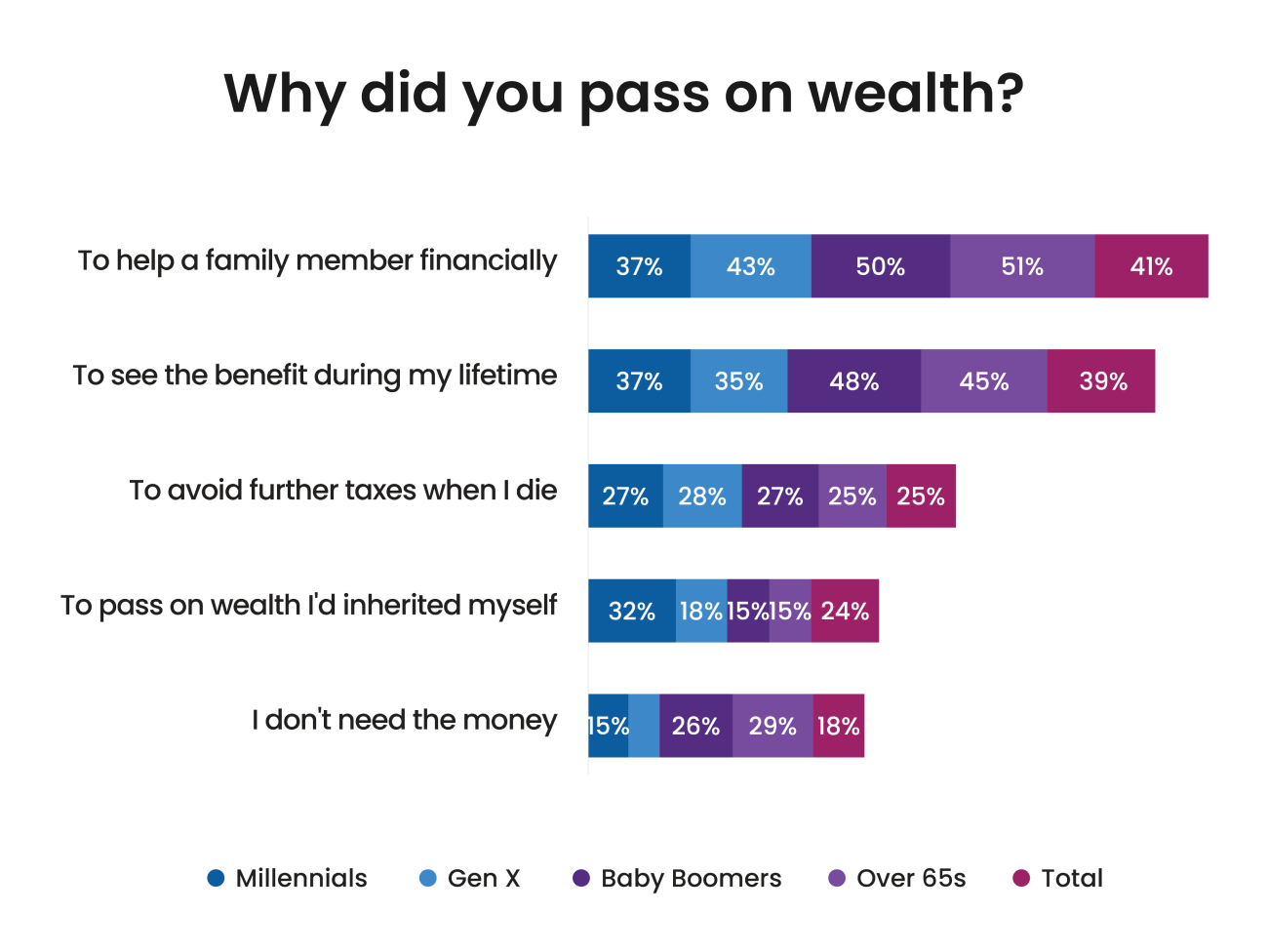
Over half of over 65’s we surveyed said they were passing down wealth to help a family member financially, while 45% said they wanted to pass on the money and see the benefits during their own lifetime.
Key findings
- Around half expect to receive, or have received, an inheritance
- Inheritances are often smaller than expected
- Wealth is typically passed on later in life
- More over-65s are choosing to help family financially while they're still alive
How much is your inheritance?
We asked several generations how much they expect to receive in inheritance.

Gen Z (18-28)
The average Gen Zer expects to inherit £35,000 in their lifetime. But at this age, just 14% of respondents have received an inheritance, which averages at £25,000.
Millennials (29-44)
Millennials expect to inherit £62,500 on average, but only 21% have received an inheritance so far. Many are still waiting to benefit from the Great Wealth Transfer.
Gen X (45-60)
Gen X respondents expect an average inheritance of £87,500, the highest of any generation surveyed. Despite this, they’re only receiving around £45,000.
Baby boomers (61-79)
Baby boomers expect to inherit £87,500 on average, while nearly half (47%) have already received an inheritance. Unsurprisingly, this generation has received the most - averaging £62,500.
Over 65’s
Half of over-65s (50%) have already received an inheritance. Those still expecting to inherit anticipate receiving around £62,500 on average.
Inheritance isn't a retirement plan
While many people expect to receive an inheritance during their lifetime, fewer are planning to use it to fund their retirement.
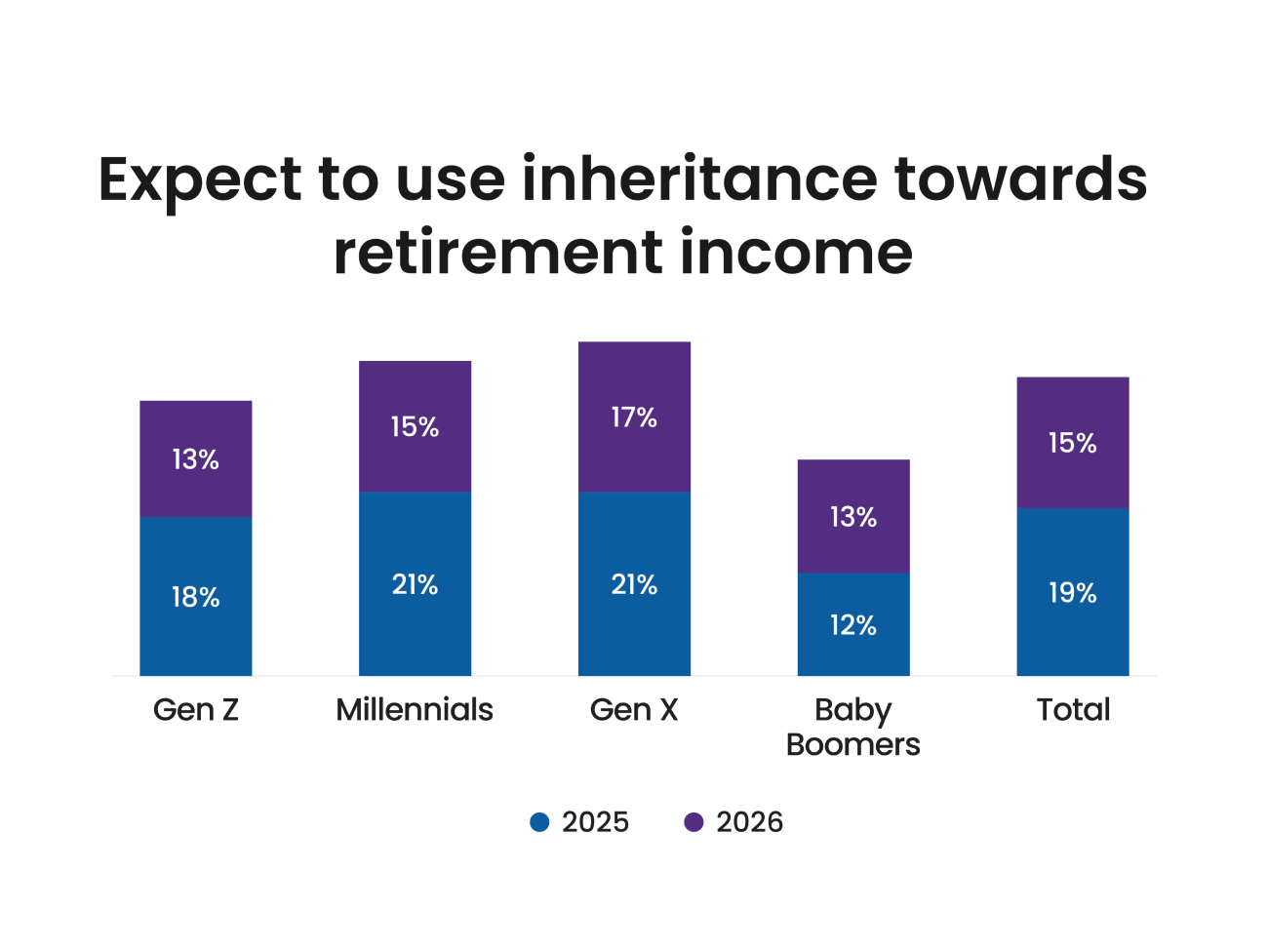
Just 15% now expect an inheritance to contribute towards their retirement income, down from 19% in 2025.
The decline is visible across most generations. Expectations have fallen among Gen Z (18-28), Millennials (29-44) and Gen X (45-60), suggesting more people recognise that inheritances often arrive later in life and may be smaller than expected.
Why are more people giving living inheritances?
Passing on wealth isn't always about reducing inheritance tax (IHT). For many people, it's about helping loved ones when they need it most.
With younger generations facing high housing costs and financial pressures, many older generations are opting to provide support when it can make the greatest difference.
Do you know of inheritance tax changes to pensions?
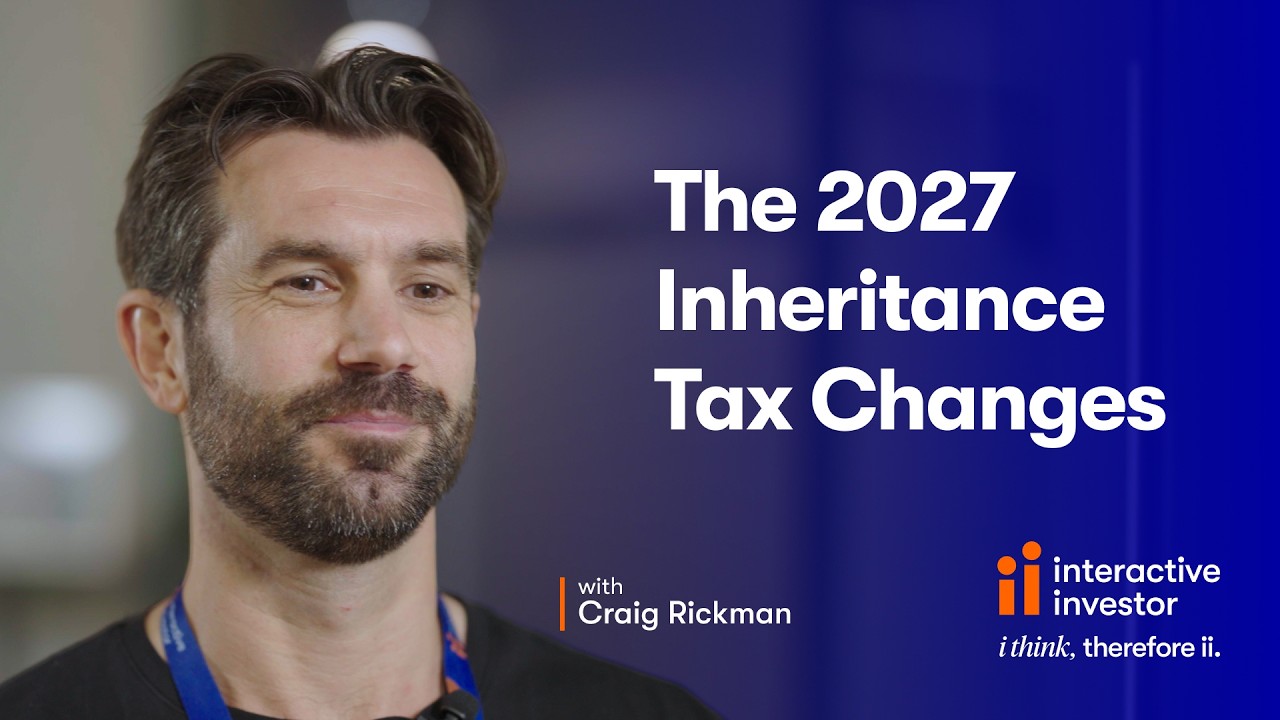
“In April 2027, pensions will be included in the IHT calculations for the first time, and this is expected to drag many more estates into the IHT net.
But many still aren’t prepared for these changes.
IHT changes are incredibly complex already, and this will only get even knottier from next April.
A first step you might take is to review your pension beneficiaries, check how your investments and assets are owned and will be passed on, and to make sure your wills match your intentions.
It’s not easy to have these difficult conversations, but it ultimately helps to avoid issues later down the line."

ii recommends
With awareness of incoming IHT changes to pensions low, many families are unprepared for the challenges ahead. Here is a practical change that could help ease this concern:
IHT is generally due within six months of the person's death, after which interest can be charged on any unpaid tax. We believe this deadline is already too short for many bereaved families and could become even harder to meet from April 2027, when unused pension wealth is due to be brought into the IHT net. Extending this deadline by a year will help ease the burden on families across the country.
Thinking about a Self-Invested Personal Pension?
Our free Essential Guide to SIPPs has everything you need to know to help you get started. It covers what a SIPP is, how it works and whether it’s right for you.