Beware DVLA scams: Number of fake texts, emails and calls rises by a fifth
The DVLA says there has been a 20% increase in scams
25th February 2020 15:43
by Laura Miller from interactive investor
The DVLA says there has been a 20% increase in scams
Motorists have been warned to be extremely suspicious of any phone or online communications supposedly from the Driver and Vehicle Licensing Agency (DVLA) after a 20% rise in copycat cons.
New figures compiled by the DVLA show scams aimed at motorists up by a fifth with 1,538 reports made to the agency in the last three months of 2019.
The number of reports – which all flagged suspected web, email, text or social media scams – represented an increase from 1,275 in the same period in 2018.
Tactics used by scammers typically include offering motorists something online or by text message that appears too good to be true, which it almost certainly is, to trick them into handing over their money.
Fraudsters are targeting unsuspecting customers with links to services that don’t exist, such as wiping points or driving bans from drivers licences, and messages of tax refunds, often for around £40, all of which are fake.
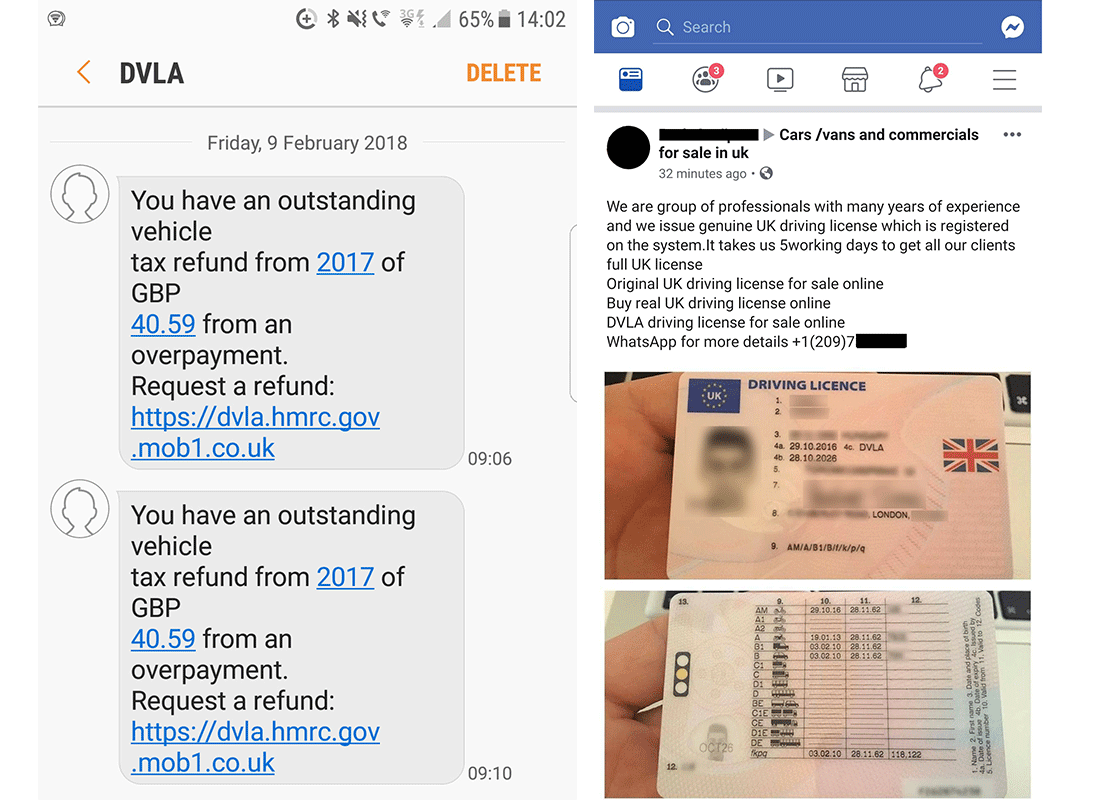
The DVLA says it will never contact customers by text or email to claim a refund
All tax refunds are generated automatically after a motorist has informed the DVLA they have sold, scrapped or transferred their vehicle to someone else. The agency never asks anyone to get in touch with to claim their refund.
The DVLA has also found driver and vehicle documents for sale on the internet, and is warning motorists never to share images on social media that contain personal information, such as driving licence and vehicle documents.
Action Fraud said scammers often target victims at busy period, such as towards the end of the financial year in April when they may be trying to get their affairs in order.
Anyone with concerns about any calls, texts, emails or suspicious activity online, should always report these to the police via Action Fraud immediately.
David Pope, DVLA chief information security officer, says: “We’ve released examples of real life scams to help motorists understand when a scam is at work. These websites and messages are designed to trick people into believing they can access services that simply don’t exist such as removing penalty points from driving licences.
“If something seems too good to be true, then it almost certainly is. The only trusted source of DVLA information is the GOV.UK website.”
To try and pass themselves off as genuine, fake sites might include ‘DVLA’ in their web address (URL). Another trick is to design their site to appear as if it’s the genuine DVLA site, for example by using the agency’s old ‘green triangle’ logo, which is no longer in use.
They will often try to get you to call a premium rate number to speak to the DVLA. The official DVLA contact centre can be called on 0300 790 6801, which costs the same as a local call to any UK landline.
Don’t be fooled by these sites - even if they appear at the top of search engine results. Always double check you’re using the GOV.UK website.
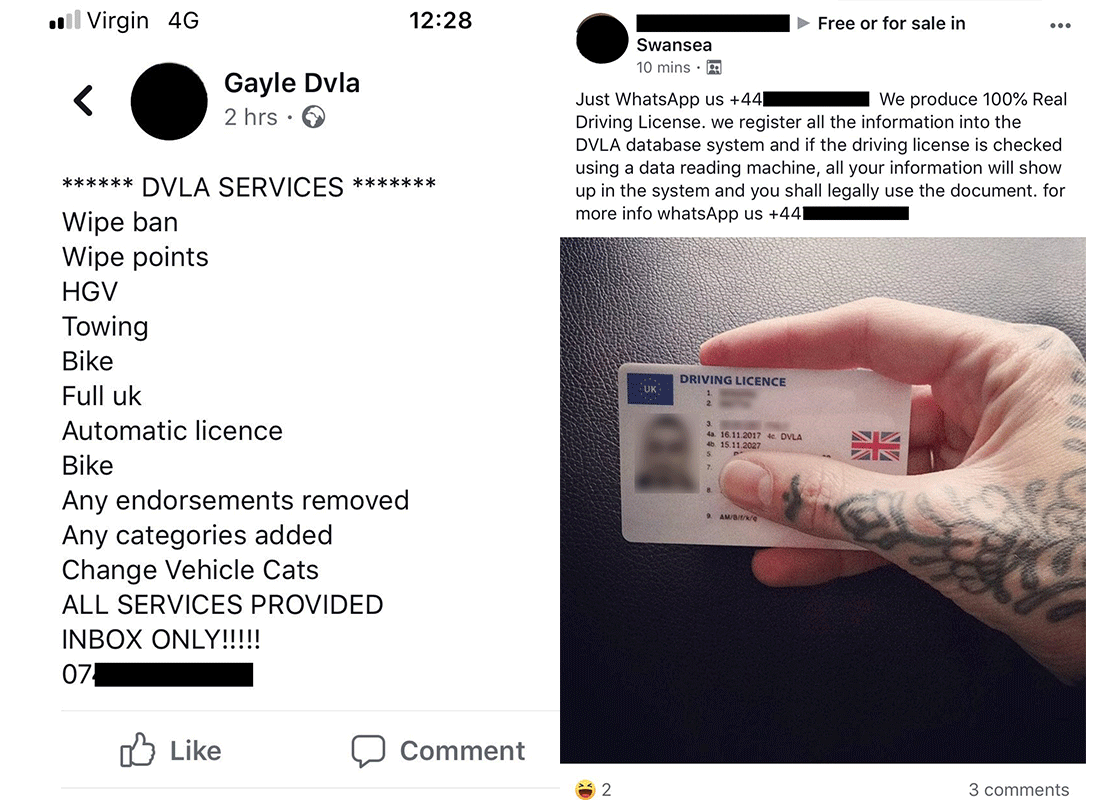
Fake sites will often use DVLA in the address
A spokesperson for Action Fraud says: “This can be a stressful time of year, sorting out finances for the year ahead. Fraudsters are aware of this and are using different ways to trick people.
“Taking a couple of minutes to familiarise yourself with a few simple online safety tips can be significant in protecting yourself from becoming a victim of online fraud.
“If you believe you have been a victim of fraud, please report it to us.”
The Annual Fraud Indicator 2017 has estimated the cost of fraud to the UK is as much as £190 billion a year.
This article was originally published in our sister magazine Moneywise, which ceased publication in August 2020.
These articles are provided for information purposes only. Occasionally, an opinion about whether to buy or sell a specific investment may be provided by third parties. The content is not intended to be a personal recommendation to buy or sell any financial instrument or product, or to adopt any investment strategy as it is not provided based on an assessment of your investing knowledge and experience, your financial situation or your investment objectives. The value of your investments, and the income derived from them, may go down as well as up. You may not get back all the money that you invest. The investments referred to in this article may not be suitable for all investors, and if in doubt, an investor should seek advice from a qualified investment adviser.
Full performance can be found on the company or index summary page on the interactive investor website. Simply click on the company's or index name highlighted in the article.