Disappointment at Sainsbury's despite strong Christmas
There are some good numbers in the grocery chain's update for the festive period and third quarter, but investors have focused on some of the less pleasant reading. ii's head of markets explains.
9th January 2026 08:21
by Richard Hunter from interactive investor
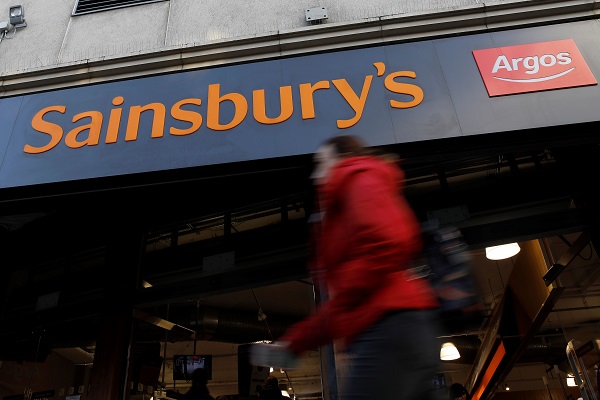
Sainsbury (J) (LSE:SBRY)'s spent considerable time and thought planning for its important Christmas period, and its efforts were largely rewarded with a strong showing, even though its General Merchandise (GM) and Argos units made for less pleasant reading.
- Our Services: SIPP Account | Stocks & Shares ISA | See all Investment Accounts
Overall sales for Christmas rose by 3.3%, and by 3.9% for the quarter to £10.03 billion. The performance was sufficient for the group to maintain its full-year guidance of retail underlying profit to exceed £1 billion, while increasing its estimate of cash flow from £500 million to more than £550 million. At the same time, its plan to achieve £1 billion in cost savings by 2027 is alive and well, while shareholder returns remain in focus.
Grocery remains central to the group’s efforts, accounting for 78% of overall sales. Revenues grew by 5.1% over Christmas and by 5.4% over the quarter, with the likes of the group’s Aldi Price Match and Your Nectar Prices proving popular. Indeed, the company estimates that over a three-year period Nectar will provide incremental profit of £100 million. The group is already ahead of plan with the target, which would be a significant bonus given the ferocity of competition which the sector attracts.
The Taste the Difference range also continues to fire ahead, with the group adding more than 260 new products in the quarter, with the range as a whole enjoying an increase of 15% in sales. Other highlights were groceries online sales, which spiked by 14% and fresh food overall which rose by 8% given the group’s additional focus.
- Investment outlook: expert opinion, analysis and ideas
- BT and Glencore among City’s latest new year tips
- 20 value-focused top share picks for 2026
At the same time, Sainsbury's is also reaping the benefit of its varied offering which provides a wide choice for customers, continuing to invest in new stores and to revamp existing ones.
Elsewhere, the news was less encouraging. General Merchandise and Clothing sales fell by 1% over Christmas and 1.1% over the quarter, held back slightly by the GM performance where reduced space allocation in stores and reduced consumer discretionary spending made an impact, although at 6% of group sales the effect was limited.
Argos remains a work in progress after some years in the doldrums on reduced discretionary spend. Sales fell by 2.2% over Christmas and by 1% over the quarter, which is a further disappointment particularly given the Black Friday and festive opportunities.
Sainsbury's attributed the weakness to a number of factors, including a tough promotional market resulting in lower prices, a weak gaming market and subdued consumer confidence. Accounting for 16% of group revenues, the unit remains something of a thorn in the side for the group as a whole.
- 21 top growth stocks for 2026
- My SIPP and ISA investing goals for 2026
- Christmas trading updates: Tesco and M&S unwrap results
Shareholder returns are another highlight, although arguably already baked into the price. The group expects to return £800 million to shareholders this year, including a special dividend of £250 million and a share buyback programme of the same size. This will lift the dividend yield to a punchy (if temporary) 7.5% including specials, with the 4.2% underlying yield also an attraction.
Of course, the environment provides challenges and the way ahead is not plain sailing. Higher employment costs and food inflation are constant threats to the sector as a whole and, although the probability of an all-out price war between the supermarkets appears to have receded, keen pricing remains a staple in this business.
- eyeQ: silver and the catalyst for a commodity correction
- Sign up to our free newsletter for investment ideas, latest news and award-winning analysis
An incremental market share increase and Sainsbury’s generally sturdy efforts of late have lifted the share price by 21% over the last year, bang in line with the performance of the wider FTSE100 index, although the shares have dipped on the open on Friday given the lighter GM and Argos contributions.
While Tesco (LSE:TSCO) marginally remains the preferred play, the market consensus of Sainsbury as a buy is nonetheless a vote of confidence from investors for the longer term.
These articles are provided for information purposes only. Occasionally, an opinion about whether to buy or sell a specific investment may be provided by third parties. The content is not intended to be a personal recommendation to buy or sell any financial instrument or product, or to adopt any investment strategy as it is not provided based on an assessment of your investing knowledge and experience, your financial situation or your investment objectives. The value of your investments, and the income derived from them, may go down as well as up. You may not get back all the money that you invest. The investments referred to in this article may not be suitable for all investors, and if in doubt, an investor should seek advice from a qualified investment adviser.
Full performance can be found on the company or index summary page on the interactive investor website. Simply click on the company's or index name highlighted in the article.