ii view: income play NatWest overcomes Q1 miss
This major high street bank’s share price is down around 10% year-to-date, but it’s among the highest-yielding FTSE 100 companies. Analyst Keith Bowman looks at prospects.
29th May 2026 11:54
by Keith Bowman from interactive investor
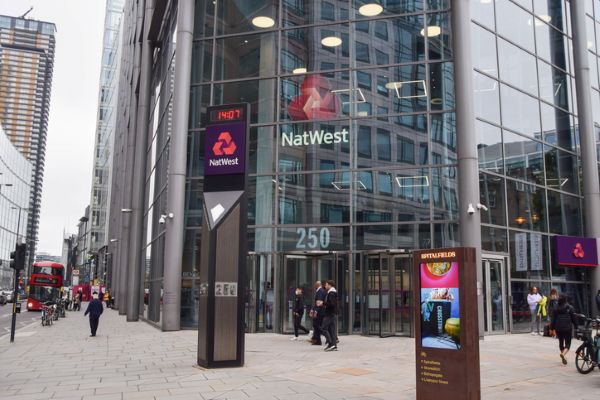
First-quarter results to 31 March
- Total income up 9.5% to £4.36 billion
- Operating pre-tax profit up 12.2% to £2 billion
- Bad debt or net impairment charge of £283 million made
- Capital cushion, or CET1 ratio of 14.3%, up from 13.8% a year ago
Guidance:
- Now expects annual income in 2026 to be at the upper end of its previous £17.2 billion to £17.6 billion estimate
Chief executive Paul Thwaite said:
“NatWest Group's strong performance in the first quarter of 2026 reflects our consistent delivery for customers and shareholders.
“We have started the year with positive momentum, underpinned by healthy customer activity - growing all of our three businesses, expanding our capabilities to meet more of our customers' needs and further improving productivity as we use AI at scale across the bank.”
- Invest with ii: SIPP Account | Stocks & Shares ISA | See all Investment Accounts
ii round-up:
Major UK bank NatWest Group serves around 20 million customers across the UK. Employing just over 50,000 people, the bank operates across the three divisions of Commercial and Institutional banking, Retail Banking, as well as Private Banking and Wealth Management.
Group brands include NatWest, Royal Bank of Scotland, Ulster Bank in Northern Ireland, Coutts private bank, Lombard asset finance and Holt’s Military Banking.
For a round-up of these latest results announced on 1 May, please click here.
ii view:
NatWest Group is made up of nearly 250 past and present banks that have joined together over time. Today, the largely UK focused lender and constituent of the FTSE 100 index competes against rivals including Lloyds Banking Group, Barclays and HSBC Holdings. Commercial and Institutional banking generated most profits during this latest financial year at 53%, followed by Retail Banking at 42%, and Private Banking and Wealth Management most of the 5% balance.
For investors, a war in the Middle East and elevated energy prices now potentially pressure spending among both corporate and retail customers, dampening economic growth and possibly increasing bad debts. Business diversity is not what it is at rival Barclays which has a major investment banking business. A price-to-net asset value above the three-year average may suggest the shares are not obviously cheap, while NatWest now lacks the geographical diversity previously enjoyed following overseas sales made since the 2008 financial crisis.
- Don’t miss the next big IPO: get the latest IPO news and updates straight to your inbox
- L&G, Shell, BP and HSBC head £10bn FTSE 100 dividend payday
- Where the experts are taking risk, and holding back
To the upside, income for the 2026 year ahead is now expected to be at the upper end of management’s previous growth estimates with a likely benefit to profit. Acquisitions such as that for Metro’s mortgage book are aiding growth, with the purchase of wealth manager Evelyn Partners likely to contribute further. The balance sheet remains robust with a capital cushion or CET1 ratio of 14.3%, while partnerships with Rightmove and Sainsbury's offer further selling opportunities for mortgages, savings and credit cards.
In all, and despite ongoing risks plus modest shortfall in Q1, the share price is bouncing back, and a consensus analyst fair value estimate above 730p plus forecast dividend yield of around 6% - among the 10 most generous yields in the FTSE 100 - are likely to keep investors interested.
Positives
- Continued focus on costs
- Attractive dividend (not guaranteed)
Negatives
- Uncertain economic outlook
- Lacks the diversity of some rivals
The average rating of stock market analysts:
Buy
These articles are provided for information purposes only. Occasionally, an opinion about whether to buy or sell a specific investment may be provided by third parties. The content is not intended to be a personal recommendation to buy or sell any financial instrument or product, or to adopt any investment strategy as it is not provided based on an assessment of your investing knowledge and experience, your financial situation or your investment objectives. The value of your investments, and the income derived from them, may go down as well as up. You may not get back all the money that you invest. The investments referred to in this article may not be suitable for all investors, and if in doubt, an investor should seek advice from a qualified investment adviser.
Full performance can be found on the company or index summary page on the interactive investor website. Simply click on the company's or index name highlighted in the article.