ii view: why Saga shares soared 11% to six-year high
Exposure to expected growth in the over-50s population and with financial services products now being pushed by external partnerships. Buy, sell, or hold?
15th April 2026 11:37
by Keith Bowman from interactive investor
Full-year results to 31 January
- Revenue up 12% to £660 million
- Underlying pre-tax profit up 19% to £44.2 million
- Pre-tax profit of £2.1 million, up from a loss of £160 million
- Net debt down 16% to £499 million
- Debt leverage ratio of 3.7 times, down from 4.4 times
- No dividend payment
Guidance:
- Continues to target underlying profit before tax of £100 million or more by January 2030
- Continues to target a debt leverage ratio (net debt to adjusted profit) of below two times by January 2030
Chief executive Mike Hazell said:
“This has been a transformational year for Saga. As we look ahead, our performance this year has further strengthened the confidence we have in our medium-term targets.
“We will deliver this by focussing on Saga's core strengths and the 75 years of experience we have in designing, marketing and delivering products and services for people over 50.”
- Invest with ii: Open an ISA | ISA Investment Ideas | ISA Offers & Cashback
ii round-up:
Saga (LSE:SAGA) today reiterated profit growth and debt reduction targets out to 2030, underpinned by transformed businesses and a push towards using external partnerships.
Adjusted annual profit to late January rose by almost a fifth to £44.2 million, with the provider of holidays, insurance and savings products confident in growing the metric to £100 million or more by January 2030.
Group net debt, pushed higher by the pandemic, fell 16% year-over-year to £499 million, with Saga continuing to target a net debt-to-adjusted profit ratio of under two times by 2030, down from 3.7 times currently.
Shares in the FTSE 250 company rose 11% in UK trading having come into these latest numbers up more than 300% over the last year. Fellow cruises operator Carnival (LSE:CCL) has risen by around two-thirds during that time, with the FTSE 250 index up by just under a fifth.
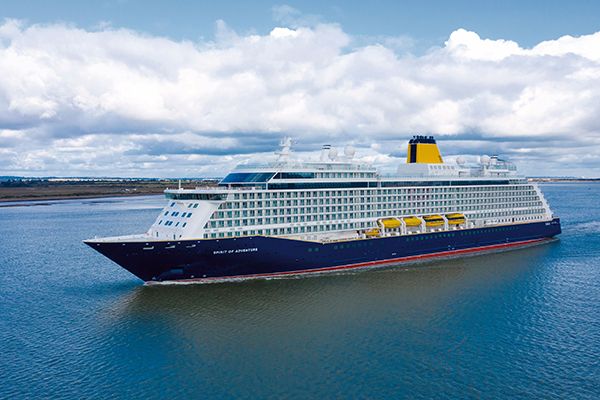
Alongside cruises and other holidays, Saga offers insurance covering travel, medical, motoring and home requirements as well as providing personal finance products like savings accounts.
A restructuring of the group’s Insurance business and a soon to complete partnership with insurer Ageas both de-risk and simplify the business, with profits for the year ahead expected to at least match the year just gone.
A merging of Saga’s cruises and holiday teams along with strong forward bookings, particularly for ocean and river cruises, underpins group confidence for profit growth over the year ahead.
Against the backdrop of a war in the Middle East, Saga flagged only limited holidays bookings to Egypt, Cyprus and Turkey, with hedging have been made for foreign exchange and fuel over the next two financial years ahead.
A relatively new partnership with NatWest opens up new savings options for customers, while a burgeoning publishing business now sees around 9.7 million subscribers to its monthly newsletter.
A full-year pre-tax profit to late January of £2.1 million is up from the prior year’s loss of £160 million.
ii view:
Began in 1951, Saga today employs around 3,500 people. Ocean cruises and general holidays generated most sales during this latest year at 40% and 28% respectively. That was followed by river cruises and motor insurance each at around 8%, home and other insurances both at around 6%, and money services and publishing 2% each.
For investors, soaring energy prices pressuring consumer disposable incomes could hinder travel demand going forward. A forward price/earnings (PE) ratio above the three-year average may suggest the shares are not obviously cheap. No current dividend payment contrasts with an estimated future yield of around 5% at insurance rival Admiral Group (LSE:ADM), while the many factors outside of management’s control such as fuel prices, pandemics, and the weather can all hurt travel performance.
- 10 hottest ISA shares, funds and trusts
- FTSE 350 round-up: big moves for Rolls-Royce, NatWest and Wizz
- Stockwatch: follow director buying in a small-cap showing strength?
On the upside, a rejuvenated business model does look to be underpinning progress. Group net debt continues to fall with a refinancing of debt to 2031 previously made. Operational exposure to the Middle East is small, with hedging polices in place regarding currency and fuel costs, while the number of people aged over 50 in the UK is expected to rise to around 31.5 million by 2050 and up from 2024’s estimated 26.4 million.
In all, progress continues with the boom in travel since the pandemic showing few signs of disappearing. That said, still elevated net debt and the many factors outside of management’s control across the travel industry continue to leave Saga shares more suitable for medium to higher risk investors only.
Positives:
- Its targeted demographic – 50 and over – is growing
- Strengthened management team
Negatives:
- Uncertain economic outlook
- No current dividend payment
The average rating of stock market analysts:
Buy
These articles are provided for information purposes only. Occasionally, an opinion about whether to buy or sell a specific investment may be provided by third parties. The content is not intended to be a personal recommendation to buy or sell any financial instrument or product, or to adopt any investment strategy as it is not provided based on an assessment of your investing knowledge and experience, your financial situation or your investment objectives. The value of your investments, and the income derived from them, may go down as well as up. You may not get back all the money that you invest. The investments referred to in this article may not be suitable for all investors, and if in doubt, an investor should seek advice from a qualified investment adviser.
Full performance can be found on the company or index summary page on the interactive investor website. Simply click on the company's or index name highlighted in the article.