ii view: why Berkeley Group shares just plunged to nine-year low
An enviable long-term track record of navigating tough market conditions, but now issuing a cautious outlook and more conservative approach. We assess prospects for this London focused housebuilder.
1st April 2026 11:18
by Keith Bowman from interactive investor
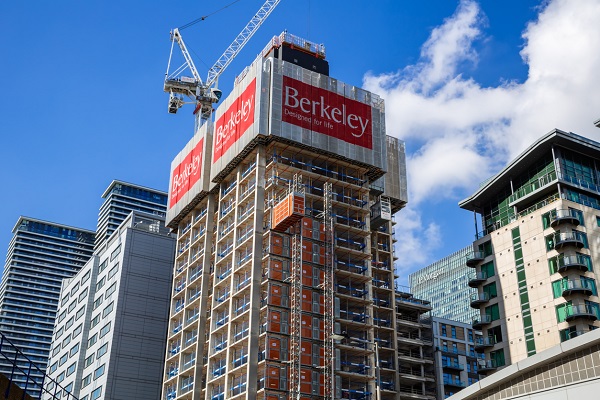
Trading and strategy update
- Now expects cumulative profits of over £1.4 billion for the next four financial years
ii round-up:
Berkeley Group Holdings (The) (LSE:BKG) today maintained forecasts for the current financial year, but adjusted medium-term estimates given a more cautious management approach amid headwinds caused by war in the Middle East.
Profits and net cash generated in the current 2026 financial year to late April are still expected to be about £450 million and £300 million respectively. However, strategy changes including a decision to stop buying new land now sees it predict cumulative profits for the next four-years of over £1.4 billion. That’s a possible average of around £350 million per year compared with its previous estimate for profits of £450 million for the full year 2027.
Shares in the FTSE 100 company fell as much as 18% to their lowest since the start of 2017, having come into this latest news down by just over a tenth so far in 2026. Rivals Barratt Redrow (LSE:BTRW) and Bellway (LSE:BWY) have both fallen by around a third year-to-date. The FTSE 100 index is up 4% so far this year.
- Invest with ii: What is a Managed ISA? | Open a Managed ISA | Transfer an ISA
Berkeley’s existing strategy looks to offer high levels of financial flexibility, allocating an expected £7 billion in free cashflow to 2035 between land investment, growing its Build to Rent (BTR) platform and proving a minimum of £2 billion in shareholder returns.
Changes under the more conservative strategic approach now include no investment in new land outside of joint ventures, and using its existing landbank of over 50,000 homes, as well as targeting further cost reductions to support a future operating profit margin of 17.5% to 19.5% and within its historic norm.
Shareholder returns will be focused towards share buybacks given the current share price is below management’s forecast net asset value for the 2026 financial year of £39 per share.
Full-year results to 30 April are scheduled for 24 June.
ii view:
Berkeley Group was founded in 1976 with the housebuilder today operating principally in London, Birmingham and the Southeast. Group brands include Berkeley Homes, St Edward, St George, St James, St Joseph and St William.
Berkeley highlights itself as the only large UK homebuilder focused on the regeneration and reviving of disused and underused land to build mixed-use neighbourhoods within the UK's most undersupplied markets.
For investors, factors such as higher for longer interest rates following the inflation threat caused by higher oil prices, now see Berkeley adopting a more cautious medium-term strategic approach. Increased taxes and regulation now make the buying of new land uneconomic for Berkeley in terms of its required rate of return. Hoped for government reductions in planning hurdles have been slow to arrive, while changes to building safety regulations have likely increased costs and lengthen build times.
- 10 hottest ISA shares, funds and trusts
- Artemis Global Income interview: buying some portfolio insurance and bucking trend on US and AI
- Four tips for ISA investors to navigate stock market volatility
To the upside, management’s medium- to long-term approach gives Berkeley an ability to offer profit guidance over longer time frames than most rivals. Flexibility in funding new land, the BTR platform, or shareholder returns, looks highly sensible in a challenging and volatile environment. Eventual success with easing government planning regulations would likely be beneficial for Berkeley, while net cash held as of late October and the interim results underlines a robust balance sheet.
In all, Berkeley Group has an enviable track record of navigating tough market conditions and focusing on shareholder returns via share buybacks. A sharp drop in share price will also likely attract speculative investors. However, more cautious investors may await a more stable economic outlook before taking an interest.
Positives:
- An industry revered track record
- Enjoys interest from overseas customers
Negatives:
- Highly uncertain economic outlook
- Planning reforms have failed in the past
The average rating of stock market analysts:
Strong hold
These articles are provided for information purposes only. Occasionally, an opinion about whether to buy or sell a specific investment may be provided by third parties. The content is not intended to be a personal recommendation to buy or sell any financial instrument or product, or to adopt any investment strategy as it is not provided based on an assessment of your investing knowledge and experience, your financial situation or your investment objectives. The value of your investments, and the income derived from them, may go down as well as up. You may not get back all the money that you invest. The investments referred to in this article may not be suitable for all investors, and if in doubt, an investor should seek advice from a qualified investment adviser.
Full performance can be found on the company or index summary page on the interactive investor website. Simply click on the company's or index name highlighted in the article.