Lloyds Bank Q1 profits boom and targets maintained
This is a decent set of quarterly results from the high street lender, although it's wary about the possible threat to business of world events. ii's head of markets studies the numbers.
29th April 2026 08:37
by Richard Hunter from interactive investor
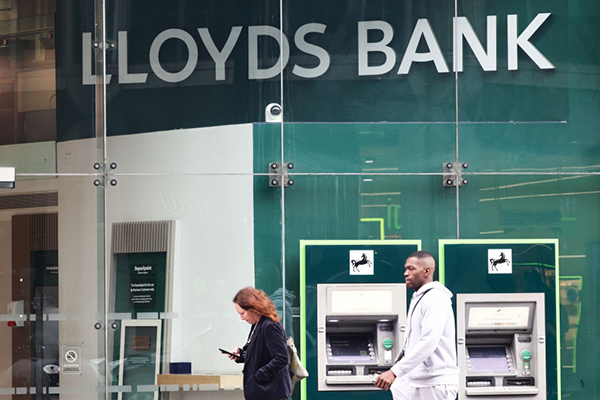
This is a solid and reassuring update from Lloyds Banking Group (LSE:LLOY) where, quite apart from a strong operating performance, the group has fully recognised the potential impact of the conflict in the Middle East on economic behaviour more broadly.
- Our Services: SIPP Account | Stocks & Shares ISA | See all Investment Accounts
Such concerns have cast a cloud over the sector this year, although Lloyds has fared rather better than most of its UK peers in limiting the share price decline to just 1%, and its recognition of the current situation has resulted in an underlying impairment charge of £295 million, which is lower than expected. Of course, this is a number which anticipates potential losses rather than booking actual losses, such that releases are possible in the future should the bad debts fail to materialise.
In the meantime, the tweaked figures are based on several scenarios, such as lower GDP growth in the UK, a rise in unemployment and limited gains in residential and commercial property prices. Even so, at the moment, there are few if any signs of deterioration across its lending book.
Indeed, there was positive news from a major part of the group’s more traditional lending business. Mortgages, for which Lloyds is a major player and which account for 67% of the total loan book, increased by 4% year on year and loans and advances overall by £5.1 billion to £486.2 billion, within which Retail saw growth of £3.5 billion and Commercial Banking £2.8 billion. Deposits also grew by 2% to £496 billion, driven largely by Commercial Banking.
Alongside the prudent provisions, higher income and lower operating costs have kept the engine running smoothly. Overall income for the quarter increased by 9% to £4.79 billion, in line with estimates, while pre-tax profit spiked by 33% to £2 billion, comfortably ahead of the expected £1.84 billion. Underlying Net Interest Income (NII) grew by 8% to £3.6 billion, helped along by an improvement in the Net Interest Margin (NIM) from 3.03% to 3.17%, where volume growth and the benefit of structural hedge income were in evidence.
- Stockwatch: a volatile AIM share with new growth story
- FTSE 100 risers and fallers as Iran war ends second month
Indeed, the structural hedge contribution, which is designed exactly to mitigate the group’s susceptibility to changes in a falling interest rate environment, is expected to grow further. This quarter it added £1.6 billion of income, which is expected to translate to more than £7 billion for the year as a whole, and over £8 billion in 2027.
The key metrics for the most part are still in fine fettle. The capital cushion, or CET1 ratio, is stable at 13.4% (and in excess of the 13% target), the cost/income ratio reduced from 58.1% to 51.9% and the Return on Tangible Equity (ROTE) jumped to 17% from a previous 12.6%. This has led Lloyds to reiterate its full-year targets of more than £14.9 billion of underlying NII, a cost/income ratio of less than 50% and a ROTE in excess of 16%.
Meanwhile, its progressive policy could add to the £1.75 billion share buyback programme which is in progress and a current dividend yield of 3.7%, which is of some attraction.
There is little mention of the motor finance redress provision, which was last increased by £800 million to £1.95 billion in the third quarter last year, which suggests that a line has now been drawn under the matter.
In addition, and coming slowly up on the rails are those units which provide alternative sources of income such as insurance, credit cards and the UK private bank (previously called “Wealth”) and incorporating the recent acquisition of Schroders Personal Wealth. The planned strategic update at the half-year numbers in July will therefore be the subject of much interest as Lloyds lays out its aims for the future.
- Why we cut back on banking shares
- Sign up to our free newsletter for investment ideas, latest news and award-winning analysis
The update is strong and dependable rather than shooting out the lights and, given that Lloyds is often seen as a barometer for the UK economy, its progress has been hard-won. A neutral reaction at the market open is therefore unsurprising, and may also reflect a pause for breath following a share price which has risen by 35% over the last year, as compared to a gain of 22% for the wider FTSE100, and by 88% over the last two years.
While such strength may have lessened some of its attraction in terms of valuation, this performance continues to validate the bank’s strategy, and the market consensus of the shares as a buy will no doubt hold firm.
These articles are provided for information purposes only. Occasionally, an opinion about whether to buy or sell a specific investment may be provided by third parties. The content is not intended to be a personal recommendation to buy or sell any financial instrument or product, or to adopt any investment strategy as it is not provided based on an assessment of your investing knowledge and experience, your financial situation or your investment objectives. The value of your investments, and the income derived from them, may go down as well as up. You may not get back all the money that you invest. The investments referred to in this article may not be suitable for all investors, and if in doubt, an investor should seek advice from a qualified investment adviser.
Full performance can be found on the company or index summary page on the interactive investor website. Simply click on the company's or index name highlighted in the article.