Tesco beats expectations but Middle East conflict a threat
Britain's largest supermarket chain continues to demonstrate why it's an investor favourite, although the Iran war has affected its profit forecast. ii's head of markets runs through the key numbers.
16th April 2026 08:31
by Richard Hunter from interactive investor
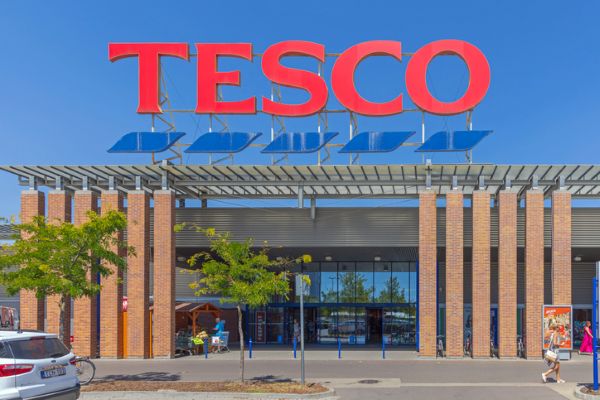
The Tesco (LSE:TSCO) juggernaut rumbles on, asserting its dominance over the British aisles and maintaining the yawning gap between its fortunes and those of its nearest rivals.
- Invest with ii: Open an ISA | ISA Investment Ideas | Transfer a Stocks & Shares ISA
In any given part of the business there are tweaks and improvements which contribute to Tesco’s overall dominance. These range from clothing to the retail Booker unit, delivery options such as Whoosh to a broader offering at the higher end, and online growth to food prices. Much of this has been made possible by the group’s “Save to Invest” programme, which has delivered more than £2.2 billion of cost savings over the last four years including around £535 million this year, with a further £500 million planned for the forthcoming period.
The effect of this streamlining is twofold. It allows cost inflation to be offset, which could prove particularly important over the coming year if the inflationary effects of the US/Iran conflict wash through, as well as keeping prices low for consumers. The group’s sheer scale feeds its appetite for lowering prices for customers through the likes of Aldi Price Match, Low Everyday Prices and Clubcard Prices, such that the significant cost reduction creates something of a virtuous circle. As such, the ongoing battle is still for Tesco to lose rather than its rivals to win.
Indeed, in the recent past, and try as they may, other supermarkets have tended to take market share from each other rather than from Tesco. Its current share of 28.5% is more than that of its two nearest rivals, Sainsbury (J) (LSE:SBRY) (15.6%) and Asda (11.6%) combined and at its highest in over a decade.
Today's annual results themselves have exceeded already high expectations. Revenues grew by 5.4% in the 12 months ended 28 February to £73.71 billion, ahead of the estimated £72.55 billion, while adjusted operating profit of £3.15 billion surpassed the previously guided range of £2.9 billion to £3.1 billion. Pre-tax profit of £2.4 billion represented an increase of 8.5% from the corresponding period.
While war in the Middle East has forced Tesco to issue a wider range of guidance than previously planned, management still forecasts adjusted operating profit of between £3 billion and £3.3 billion for the 2026/27 financial year.
- The 11 ‘forever shares’ I’ve picked for my kids’ Junior ISAs
- How to start accessing your pension the right way
Tesco also exceeded its guidance in free cash flow of between £1.4 billion and £1.8 billion, with growth of 11.8% propelling the number to £1.96 billion, and leading to an upgrade in estimates for the coming year to a range of £1.5 billion to £2 billion. Alongside its focus on reducing internal costs, this leaves Tesco able to keep its powder dry in the face of any assault and it already has plans in place to stifle the competition further. It also enables investment in the business, especially in keeping prices competitive, payment of a dividend with a projected yield of 3.1% and a newly announced share buyback programme of £750 million which, all things being equal, should be supportive to the share price.
The range of the group’s offering is not limited to the more cost-conscious consumer, and more recently Tesco has honed its upper end offering. A further rise of 15% in Finest sales to £3 billion shows a unit going from strength to strength. This apart from the growth in the core offering, where like-for-like sales grew by 3.5%, including a contribution of 4.2% from the UK business. Online sales grew by 11% to over £7 billion, while Whoosh revenues rose by 51% to exceed £400 million.
- Stockwatch: follow director buying in a small-cap showing strength?
- Sign up to our free newsletter for investment ideas, latest news and award-winning analysis
Of course, any progress comes alongside not only ferocious competition but also pressure on increased costs, while maintaining lower prices also comes with an inevitable impact on margins and revenues. In addition, Tesco’s advances inevitably lead to progressively higher expectations, which in turn lessens the likelihood of positive shocks for investors, which adds additional kudos to a warm opening reaction.
The share price has reflected the group’s relentless progress, having risen by 37% over the last year compared to a gain of 28% for the wider FTSE100, by 65% over the last two years and by 76% over the last three. This considerable achievement given the traditional ferocity of sector competition and another solid showing today will likely maintain the market consensus of the shares a buy and the preferred play in the sector.
These articles are provided for information purposes only. Occasionally, an opinion about whether to buy or sell a specific investment may be provided by third parties. The content is not intended to be a personal recommendation to buy or sell any financial instrument or product, or to adopt any investment strategy as it is not provided based on an assessment of your investing knowledge and experience, your financial situation or your investment objectives. The value of your investments, and the income derived from them, may go down as well as up. You may not get back all the money that you invest. The investments referred to in this article may not be suitable for all investors, and if in doubt, an investor should seek advice from a qualified investment adviser.
Full performance can be found on the company or index summary page on the interactive investor website. Simply click on the company's or index name highlighted in the article.